


Living in the UAE offers exciting opportunities, but managing finances can be an overwhelming challenge for many residents, especially those new to the region. Between rent, groceries, transportation, and the occasional weekend brunch, it is easy to lose track of spending. In a country known for its luxury and lifestyle, developing a practical approach to money is no longer optional but essential. This guide will equip you with simple budgeting tips tailored to UAE residents while raising general financial awareness. Whether you are trying to reduce debt, build savings, or simply take control of your monthly expenses, budgeting is the foundational skill you need. And with tools like MYNE, doing so has never been easier.
Why Budgeting Matters in the UAE
Budgeting in the UAE is not just about cutting back; it is about making conscious, informed decisions about your money. With inflation, rising utility costs, and increasing consumer spending, residents are finding it harder to manage their finances. Yet, most people still do not maintain a clear monthly budget. Without visibility into your income and expenses, saving becomes guesswork. Overspending creeps in unnoticed, and financial goals like taking a trip, buying a car, or owning a home remain distant dreams. A smart budget is your blueprint for turning those goals into plans.
Track First, Plan Second
The first step to improving money management in Dubai is understanding your current spending habits. Start by listing your income sources: salary, side gigs, or freelance work. Then, track all monthly expenses: rent, groceries, transport, subscriptions, dining, utilities, and subscriptions.
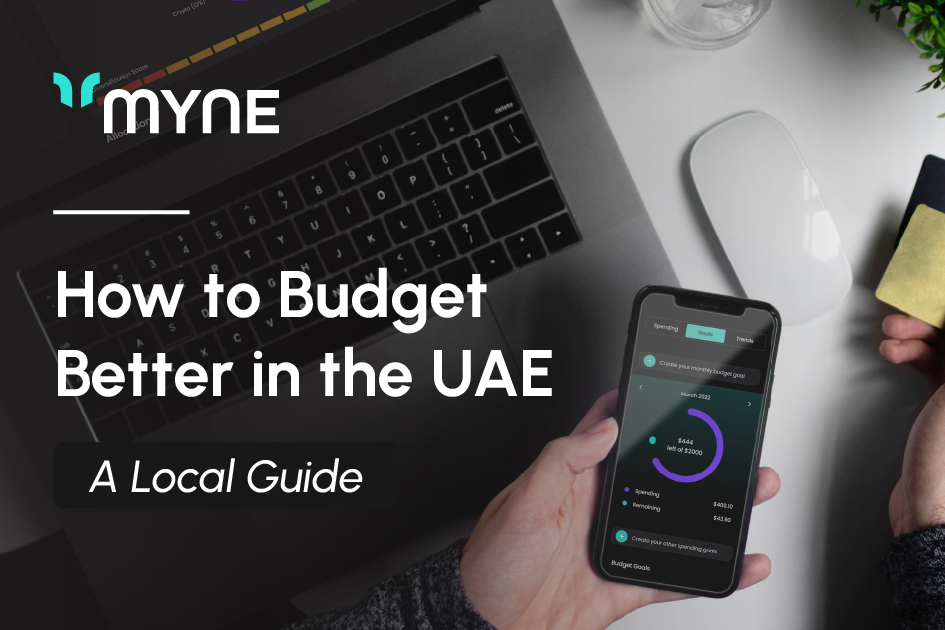
You can do this manually, but platforms like MYNE make it seamless. By syncing your accounts, MYNE categorize your spending automatically and gives you a visual breakdown of where your money is going. This level of clarity is the first step towards absolute financial control.
Set Realistic Budgets for Major Categories
You can assign realistic limits once you know how much you are spending. A standard budgeting guideline is the 50/30/20 rule:
- 50% for needs (rent, groceries, transport)
- 30% for wants (shopping, entertainment)
- 20% for savings and debt repayment
In the UAE, housing often consumes a significant portion of income. If your rent is over 35% of your earnings, consider negotiating your lease or exploring more affordable areas like Al Nahda or JVC. Use public transport when possible and track utilities, especially during summer when AC usage peaks.
Build Emergency Funds and Automate Savings
One of the simplest budgeting tips for UAE residents is to pay yourself first. Set a savings goal and automate it. Treat your savings like a non-negotiable bill, whether AED 500 or AED 5,000 per month. This creates consistency even if the rest of your spending fluctuates.
These changes may seem small, but over a year, they can free up thousands of dirhams that can be redirected to savings, investments, or debt repayment.
Use Smart Tools to Stay Accountable
What sets successful budgeters apart is not willpower; it is systems. And in today’s world, financial systems should be digital, local, and intelligent. That is where MYNE comes in.
MYNE is built to address the realities of life in the UAE. It helps you:
- Automatically track expenses
- Visualize your spending patterns
- Set monthly savings goals
- Plan for short-term and long-term financial milestones
Most importantly, it puts your financial awareness on autopilot so you do not have to guess or rely on memory. Take control of your finances today — Download Myne here and make smarter financial decisions effortlessly.
Final Thoughts: Budgeting Is a Skill, Not a Sacrifice
Better budgeting in the UAE begins with better awareness. When you understand where your money is going and align it with what truly matters, you stop feeling restricted and in control.
Whether you want to reduce your expenses, improve your savings, or make smarter financial decisions, a structured budget backed by the right tools is your launchpad. Let MYNE help you take that first step and the next. Start building a financial life that works for you, not against you.